Scaling & Root Planing
The initial stage of treatment for periodontal disease is usually scaling and root planing which is a non-surgical procedure to remove etiologic agents such as dental plaque and tartar, or calculus, which cause gingival inflammation and disease. Scaling and root planing can be used as a stand-alone treatment, or a preventative measure. They are commonly performed on cases of moderate-to-severe periodontal disease.
How Periodontal Scaling and Root Planing Is Diagnosed and Treatment Planned
Periodontal scaling and root planing (often called a “deep cleaning”) is recommended when gum disease has progressed beyond what a routine cleaning can manage. The diagnosis is based on several clinical findings collected during a comprehensive periodontal evaluation.
1. Periodontal Charting
Your hygienist measures the depth of the spaces between your teeth and gums, known as periodontal pockets. Healthy gums typically measure between 1–3 mm. Pocket depths of 4 mm or more, especially when bleeding is present, indicate inflammation and infection below the gumline. Pocket Depths of 5 mm or higher indicate bone loss. These measurements are a key factor in determining whether scaling and root planing is needed.
2. Assessment of Bleeding and Inflammation
Bleeding gums, swelling, or tenderness during probing are signs of active gum disease. Persistent bleeding in multiple areas supports the diagnosis of periodontitis.
3. Evaluation of Bone Levels on X-Rays
Digital X-rays help identify whether gum disease has affected the bone that supports your teeth. Bone loss confirms that the condition has progressed beyond gingivitis and requires more advanced treatment.
4. Presence of Tartar Below the Gumline
If hardened deposits (calculus) are found beneath the gums, they cannot be removed with regular brushing or a standard cleaning. These deposits harbor bacteria that contribute to periodontal disease and must be removed with specialized instruments during SRP (scaling and root planing).
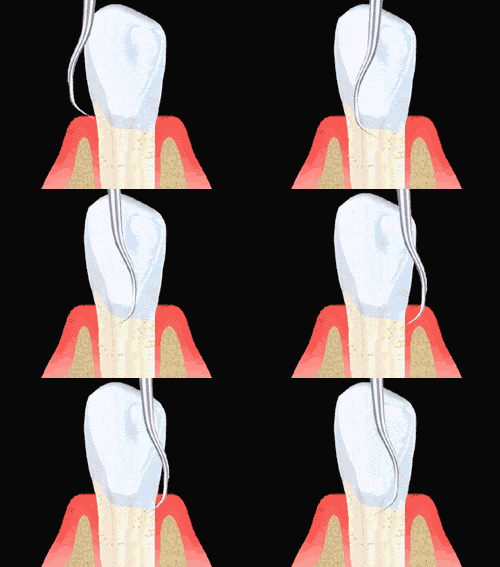
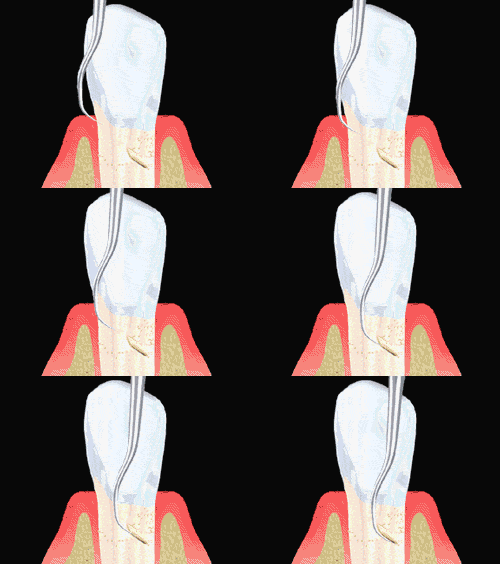
Scaling and Root Planing Procedure:
- Treatment is usually scheduled by quadrants (upper right, upper left, lower right, lower left)
to ensure thorough and comfortable care. - Local anesthetic is typically used to allow for deeper cleaning with minimal discomfort.
- The hygienist will carefully remove plaque and tartar from the root surfaces and smooth the
roots to help the gums heal and reattach. - Depending on your condition, antimicrobial rinses or localized antibiotics may be
recommended to reduce bacteria. - A follow-up periodontal re-evaluation is often scheduled 4–6 weeks after treatment to
measure healing and determine whether additional therapy is needed. - After SRP is completed, patients typically move into a periodontal maintenance program
with cleanings every 3–4 months to prevent recurrence.
Benefits of Scaling & Root Planing Treatment
Removes tartar and bacteria below the gumline
SRP thoroughly cleans areas that cannot be reached during a regular cleaning or with home care. Removing deep deposits of plaque and tartar eliminates the bacteria responsible for inflammation and infection.
Reduces periodontal pocket depths
By smoothing the root surfaces and allowing the gums to reattach, scaling and root planing helps shrink periodontal pockets. Shallower pockets are easier to keep clean and drastically slow down disease progression.
Reduces bleeding, swelling, and inflammation
As bacteria and infection are cleared away, gums begin to heal. Patients typically notice less bleeding when brushing and flossing, reduced tenderness, and improved comfort.
Helps prevent further bone loss
Untreated periodontal disease destroys the bone that supports the teeth. SRP helps stop this process, protecting the stability of your teeth and preserving your natural smile.
Improves breath and overall oral health
Chronic gum infection often causes persistent bad breath. Removing the bacterial buildup and restoring gum health significantly improves breath and overall oral hygiene.
Supports long-term dental health
Scaling and root planing is an important first step in managing periodontal disease. Once completed, ongoing periodontal maintenance visits help keep the gums healthy and reduce the risk of recurrence.
Refresh Your Smile with Deep Cleaning
Dr. Travis at Westwood Dental in Omaha, NE, offers gentle deep teeth cleanings to remove buildup below the gumline, treat gum disease, and help you maintain a healthy smile.